Rangitīkei water
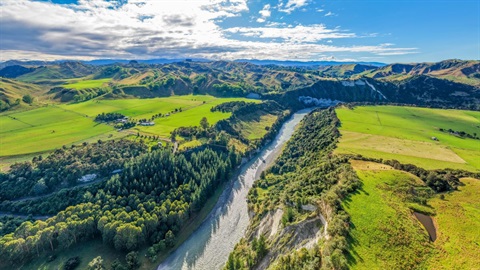
Rangitīkei is a geographically large district with a small population of just under 16,000. This creates a unique environment for delivering water services. Rangitīkei communities are spread across a mostly rural landscape, and its geography is shaped by rivers, hill country, and remote areas.
Where larger urban centres may operate one or two major drinking water or wastewater treatment plants, Rangitīkei District Council operates 13 plants across the district.
On average, around 700 million litres of drinking water is supplied to residents across Rangitīkei each year. Drinking water is delivered through approximately 448 kilometres of underground drinking water pipes, connecting homes and businesses across towns and rural communities.
In addition to town supplies, Rangitīkei is home to four rural water schemes who manage their own supply, with council staff providing varying levels of operational and technical support.
Around 140 million litres of wastewater is treated each year across the district’s seven wastewater treatment plants. This volume reflects both household wastewater and rainwater entering the system during wet weather. A network of 152 kilometres of wastewater pipes moves wastewater from homes and businesses to the treatment plants.
Stormwater is managed through a combination of underground pipes and open drains. Rangitīkei stormwater flows through around 70 kilometres of pipes and 85 kilometres of open drains. These systems help move rainwater away from homes, roads, and public spaces and reduce the risk of flooding during heavy rainfall.
Water infrastructure makes up around 19 per cent of Rangitīkei District Council’s total asset value, reflecting the scale of the network required to service the large, sparsely populated district.
In the 2024/25 financial year, residential ratepayers paid an average of $1,220 for drinking water services, $698.30 for wastewater services, and $196.26 for stormwater services. Together, water services make up around half of the average residential rates bill.
Ongoing water projects represent a significant share of the council’s capital investment. A large portion of this is the Marton Water Strategy project that will see the town converted from dam to bore water source, and the Marton-Bulls Wastewater Centralisation Project.
Learn about major water projects in Rangitīkei District